
Aging with Power
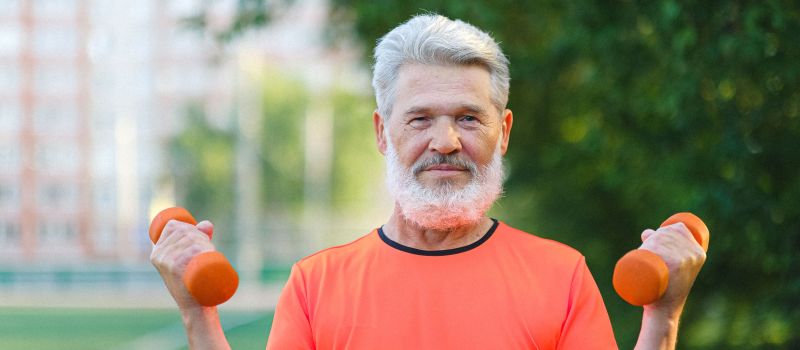
Although we all possess powers, our western culture tends to discount them as we age. How often have you heard the accusation, “You’re just old.”? How often have you discounted your abilities with the statement, “I’m just old.” When I looked up the word old in Webster’s Thesaurus, I discovered that old was a derogatory term. It took time to read the stream of negative synonyms such as: “decrepit, debilitated, infirm, inactive, deficient, enfeebled, impaired, decayed, antiquated….” It went on and on. At first, I was in shock. After all, the terms did not apply to me or certainly to so many elders I knew. Some of my friends and loved ones in their 70s engage in backcountry skiing, some spend time diving for hours daily for weeks to help TRACC Borneo restore underwater reefs, while others run their own businesses. Also, it took less time to discover online people in their 100s still working full time professionally. I shifted from shock to defiance.
Despite the social stigma sometimes associated with aging, I want to share how elders, have a role as community members with sharing how to use superpowers. It takes only a moment to discover with an internet search to discover elders who have gone far beyond outdated expectations of who you “should” be at 60, 70, 80, or 90. Some examples include athletes who are still surfing in their 80s to pilots, still flying to promote non-profits at the age of 102. In addition to elders who are physically healthy, those in the dying process continue to use their powers. Some with their dying breaths continue to bring family members together. They manage to inspire laughter as well as tears as they demonstrate how to accept death. Instead of passive resignation, elders use a conscious awareness to deal with what’s happening in and around them.
Elders recognize that part of what is happening is how they access their powers. When tapping their superpowers, they drop limiting beliefs such as “I can’t,” “I’m too old,” or “I’m a burden.” These thoughts often mask deeper emotions: frustration, resentment, and especially fear. One of my favorite examples is a dear friend of mine who resisted using a walking cane in his late 90s. One day on a trip to the grocery store with his daughter, he noticed he was standing up straight and walking at a faster pace than usual as he pushed the cart. Rather than pursuing his initial idea of stealing a grocery cart, he bought a walker. To the delight of his neighbors, he returned to his daily neighborhood walks. I remember laughing with him as he shared how one of his neighbors refused to believe that he was 98. My late friend demonstrated how to use the power of relationships and awareness. With an understanding of his limited physical condition, he used tools that allowed him to talk with his neighbors. Another friend of mine, who died of cancer, chose to stay in her home under hospice care. She arranged for friends to visit and play board games with her during her last days. My friends are examples of how aging is not a sudden crisis; it’s a continuous practice. Aging with power involves using awareness to accept and deal with what’s happening in and around us. So … take a moment and enjoy aging.
– Carol O’Dowd, MPA, MDIV, MI, RP
Prajna Healing Arts


